Callixtus I
A former slave condemned to the mines of Sardinia, he became pope and scandalised Rome by forgiving the unforgivable.
- Antiquity
- Italy
- Feast day October 14
- † c. 222
- Pope
- Martyr
His life is known chiefly through his opponent Hippolytus, which invites caution. Slave of a Christian of the imperial household, he is said to have lost the money of a bank entrusted to him, then to have been condemned to the mines of Sardinia after a brawl in a synagogue. Freed, he was put in charge by pope Zephyrinus of the cemetery on the Appian Way — the catacombs that still bear his name and where sixteen popes would be buried. Elected bishop of Rome around 217, he admitted to penance and communion Christians guilty of grave faults, adultery included, which Hippolytus judged intolerable to the point of having himself elected against him. He also recognised unions between women of rank and men of servile condition, which Roman law refused. He died around 222, probably in a riot, and tradition honours him as a martyr. He is commemorated on 14 October.
Recognising
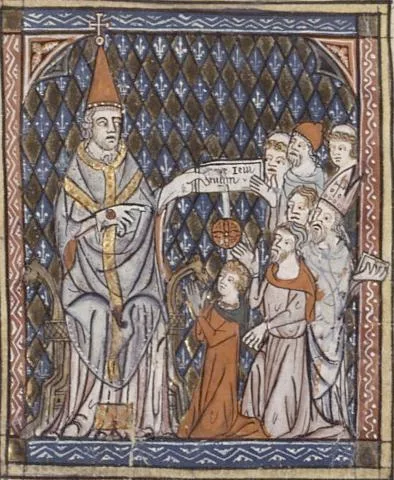
Shown as a pope with a millstone or a stone about his neck, an allusion to the account of his death, thrown into a well.