Helena of Constantinople
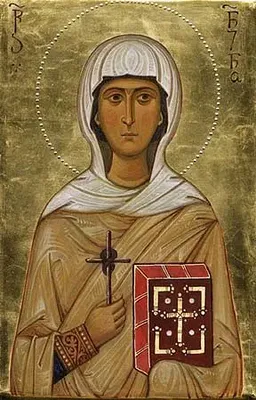
The mother of Emperor Constantine the Great. She is credited with finding the relics of the True Cross in Jerusalem.
- Antiquity
- Türkiye
- Feast day August 18
- c. 248 – 328
- Queen
Listen to the life 1:54
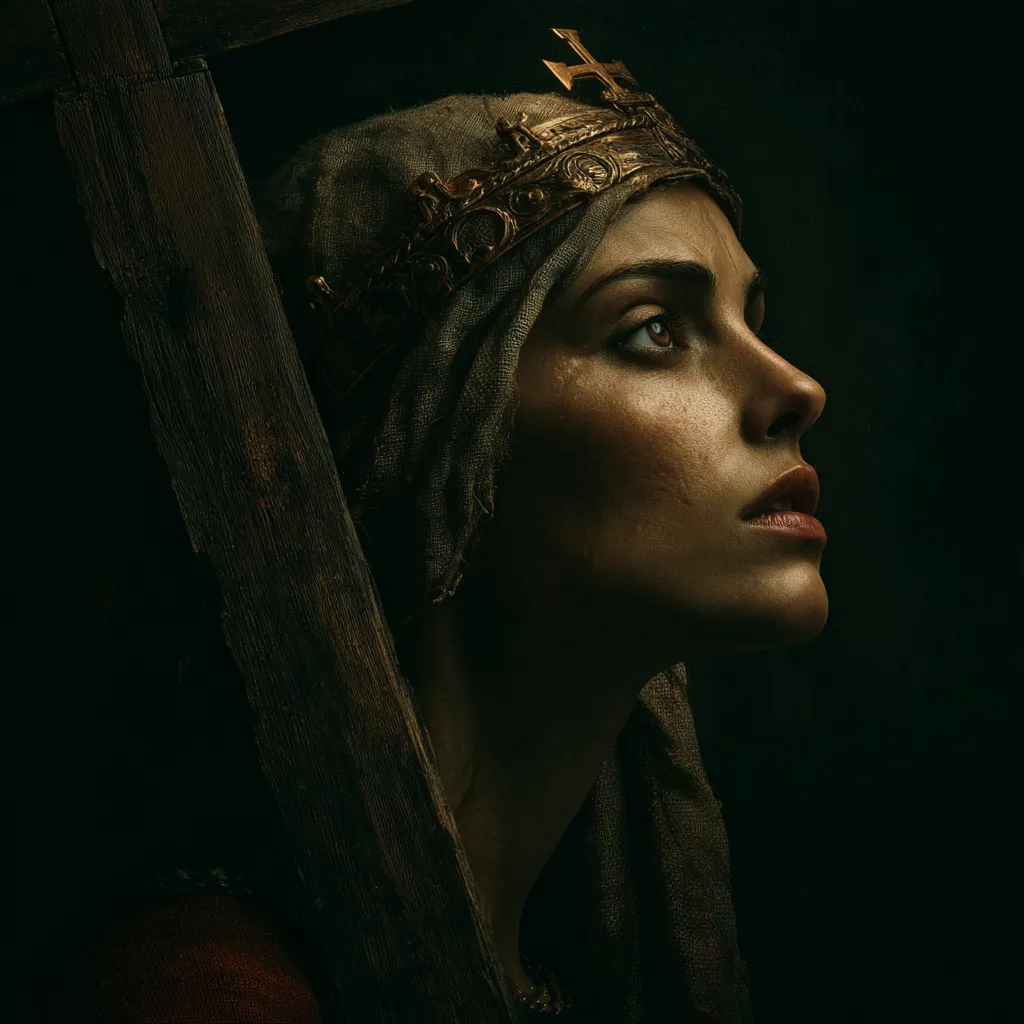
Saint Helena (born c. 246-250 AD in Drepana, Bithynia, and died c. 330 in Nicomedia) was the mother of Emperor Constantine I the Great. Of humble origins, she married Constantius Chlorus, a future tetrarch, and gave birth to Constantine in 272. Constantius repudiated her before 289 in order to marry Theodora, the daughter of Maximian, and from then on she lived far from the court; he was made caesar only in 293. After her son's accession to the imperial throne, Constantine recalled her to court, bestowed upon her the title of Augusta, and treated her with the utmost reverence, acknowledging her as the Empress Mother. Deeply pious, though the details of her conversion to Christianity are debated (some historians believe she was already Christian before Constantine, others that she converted with or after him), Helena undertook a memorable pilgrimage to the Holy Land around 326-328. It was during this journey that she is traditionally credited with the discovery of the relics of the True Cross at the site of Golgotha in Jerusalem, as well as the nails of the crucifixion and other sacred objects. She played a crucial role in the founding of several of the most important churches in the Holy Land, notably the Basilica of the Nativity in Bethlehem and the Eleona Church on the Mount of Olives, the Holy Sepulchre being raised by order of Constantine. She distributed generous alms and showed great charity towards the poor and soldiers. Helena of Constantinople is venerated as a saint in both Eastern and Western Christianity for her piety, her contribution to the discovery of the Passion relics, and her role in the Christianization of the Roman Empire. Her relics are dispersed in several locations, notably the Basilica of Santa Maria in Ara Coeli in Rome, while Santa Croce in Gerusalemme, raised on the ground of her residence, houses the relics of the Cross.