Sixtus II
Caught preaching in an underground cemetery, he was beheaded in his chair together with his deacons.
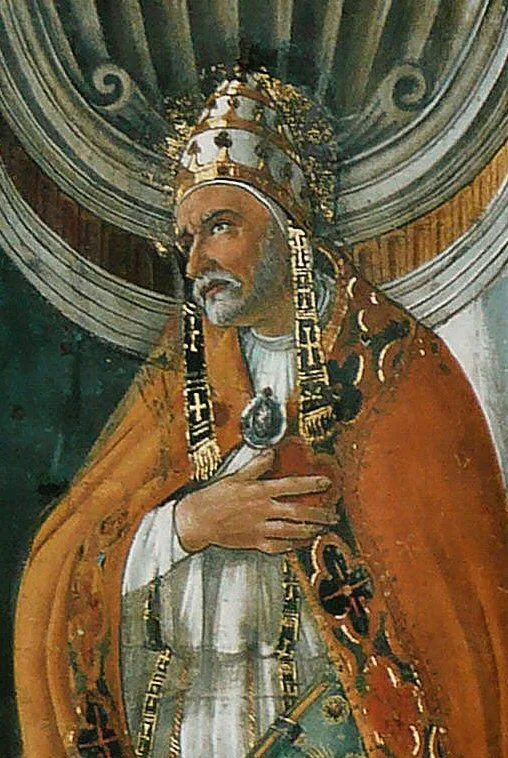
- Antiquity
- Italy
- Feast day August 6
- † 258
- Pope
- Martyr
Elected bishop of Rome in 257, he inherited a quarrel that had soured relations between Rome and Africa: his predecessor Stephen had threatened to break with Cyprian of Carthage over the validity of baptism administered by heretics. Sixtus left the question open and restored communion, which earned him from Pontius the name of the good and peaceable. His pontificate lasted a year. In 258 the emperor Valerian sharpened his persecution with a rescript ordering the immediate execution of bishops, priests and deacons. On 6 August Sixtus was seized while presiding over an assembly in the cemetery of Praetextatus on the Appian Way and beheaded on the spot with four of his deacons; two more suffered the same fate that day. His archdeacon Lawrence followed four days later. His name entered the canon of the Roman mass. The Roman calendar celebrates him on 7 August; the martyrology keeps 6 August, the day of his death.
Recognising
Shown as a pope with the martyr's palm, often surrounded by his deacons, or beside Lawrence carrying his gridiron.