Opportuna of Montreuil
Her brother the bishop gave her the veil; he was murdered on his way to visit her.
- Early Middle Ages
- France
- Feast day April 22
- c. 720 – 770
- Nun
- Virgin
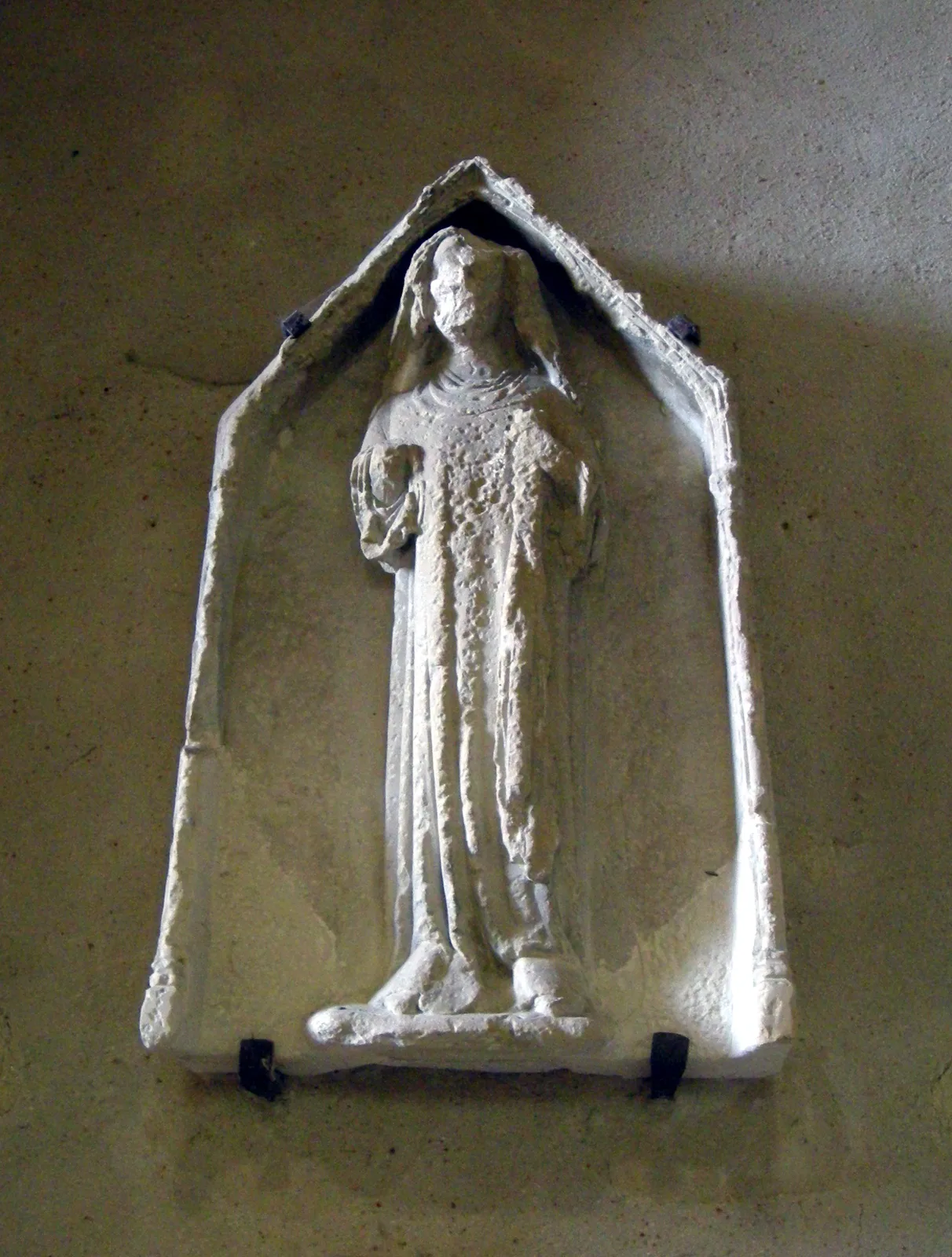
Born about 720 at Exmes, in the Hiémois country, she had for brother Chrodegang, bishop of Sées — it was he who received her into the monastery and gave her the veil with his own hands. She became abbess of Montreuil, close by Almenêches. Chrodegang went on pilgrimage to the tomb of the apostles; he was returning and making for Almenêches to visit his sister when a kinsman had him killed. A calvary at Nonant still marks the spot. Opportuna died a year after him, on 22 April 770, and Normandy has called her its wonder-worker. What followed belongs to her as much as her life: about 853 the clergy of Sées, fleeing the Northmen, obtained from the king the land of Moussy to put her relics in safety; pilgrims came in such numbers that a chapel was built from their offerings. A share reached Paris, where the canons of Sainte-Opportune received land from Louis the Stammerer about 866; their church was sold in 1792 as a stone quarry, but a quarter of Paris still bears her name. So do four Norman communes. Her oldest known image is at the abbey of Lessay, and dates from the thirteenth century.
Patronage
Recognising
An abbess with veil and crozier; sometimes receiving the veil from her brother the bishop. Oldest known image: Lessay, thirteenth century.