Maximus the Confessor
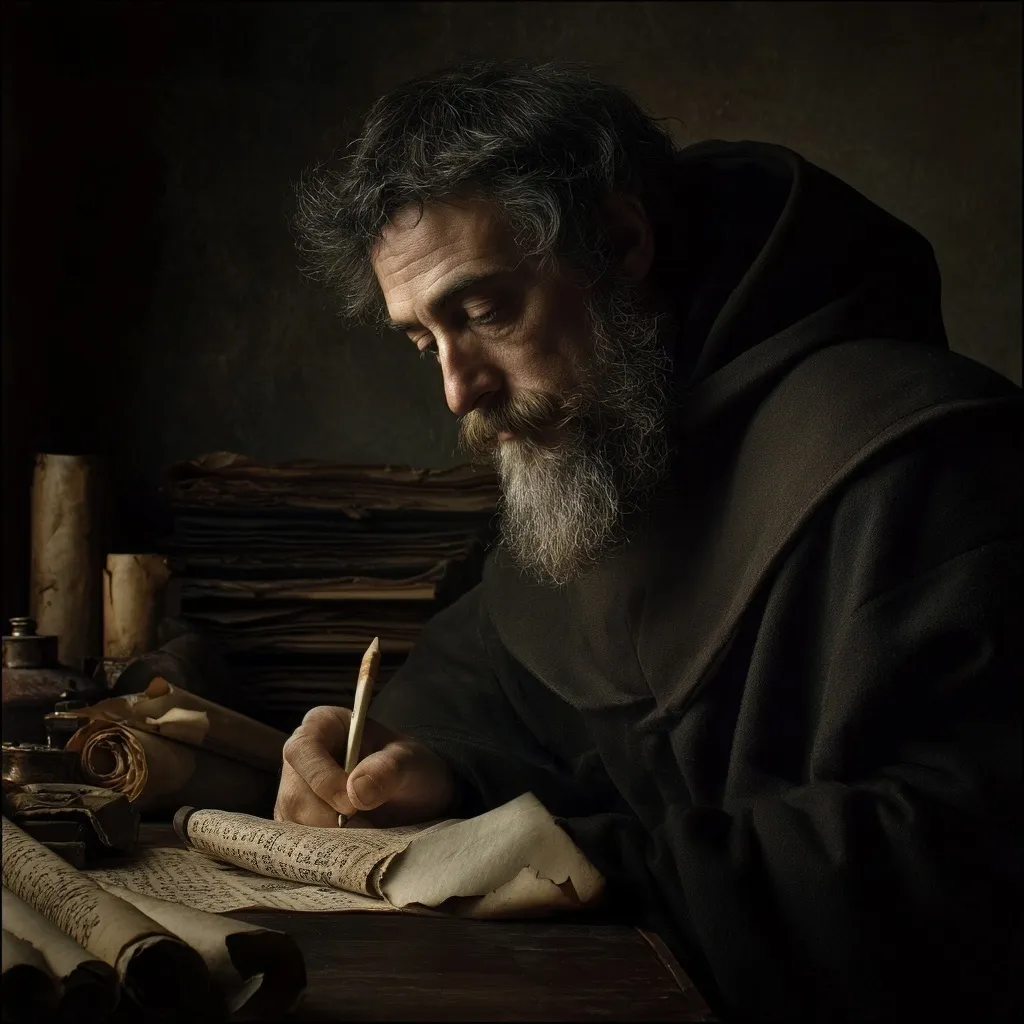
A brilliant monk and theologian from Constantinople whose profound writings on Christology were crucial in combating heresies. He suffered the loss of his tongue and right hand for his defense of orthodoxy.
- Early Middle Ages
- Türkiye
- Feast day August 13
- c. 580 – 662
- Monk
- Confessor
- Theologian
Maximus the Confessor (c. 580 – 662) was a prominent Byzantine monk, theologian, and ascetic, whose work and spiritual martyrdom had a decisive impact on Christian theology. Born probably in Constantinople into a noble family, he served for a time as secretary to Emperor Heraclius before renouncing a secular career to become a monk. He fervently engaged in the defense of orthodoxy against the Monothelite and Monoenergite heresies, which respectively asserted a single will or a single energy in Christ. Maximus maintained that Christ possessed two distinct wills and two energies – divine and human – in perfect harmony, a doctrine essential for affirming the full humanity of Jesus without compromising his divinity. This position was ultimately confirmed by the Sixth Ecumenical Council (Constantinople III) in 681, after his death. For his unwavering defense of the faith, Maximus suffered imperial persecution and was imprisoned, tortured, and exiled. His tongue was cut out and his right hand was cut off to prevent him from speaking or writing in favor of orthodoxy. He died in exile in Georgia. His life and writings make him one of the greatest theologians of the East, a pillar of Christology and a model of confessing the faith.
Patronage
Places
- Birth
- Beit Fajjar
- Death
- Tsagueri