Theophanes the Hymnographer
Byzantine monk and bishop of Nicaea in the 9th century, known for his heroic defense of icons, the persecutions and tortures he endured, and his prolific work.
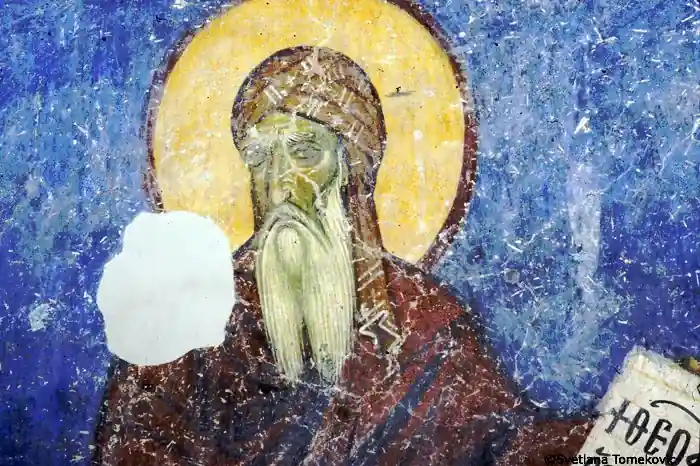
- Middle Ages
- Türkiye
- Feast day October 11
- Bishop
- Monk
- Confessor
Born in 778 in the land of the Moabites, Theophanes and his younger brother Theodore entered the Saint Sabas monastery in Palestine around 800, under the spiritual guidance of Michael the Syncellus. In 813, they were sent on a mission to Constantinople by the Patriarch of Jerusalem. There, they confronted Emperor Leo V the Armenian and his iconoclastic policies. Imprisoned and exiled for the first time, they were released in 820. Under Emperor Theophilos, iconoclasm was again rigorously enforced. In 836, after being imprisoned and beaten, Theophanes and Theodore were subjected to a cruel torment: twelve iambic trimeters in praise of iconoclasm were branded onto their faces with red-hot needles, earning them the nickname 'Graptoi' (the Branded). Exiled to Apamea in Bithynia, Theodore died there in 841. After the restoration of the veneration of icons in 843, Theophanes, treated as a hero, was appointed Metropolitan of Nicaea by Patriarch Methodius. He arranged for the transfer of his brother's relics and spent the last years of his life, until his death on October 11, 845, composing a considerable number of poetic canons. 181 liturgical poems by him have been preserved, many of which are still sung today for the Lord's feasts, justifying his nickname 'the Hymnographer'.